“𝘓𝘦𝘢𝘥𝘦𝘳𝘴𝘩𝘪𝘱 𝘸𝘪𝘵𝘩𝘰𝘶𝘵 𝘗𝘈𝘛𝘐𝘌𝘕𝘊𝘌 𝘢𝘯𝘥 𝘋𝘐𝘚𝘊𝘐𝘗𝘓𝘐𝘕𝘌 𝘤𝘢𝘯 𝘶𝘯𝘥𝘰 𝘺𝘦𝘢𝘳𝘴 𝘰𝘧 𝘱𝘳𝘰𝘨𝘳𝘦𝘴𝘴.”
– 𝘑𝘪𝘮 𝘊𝘰𝘭𝘭𝘪𝘯𝘴
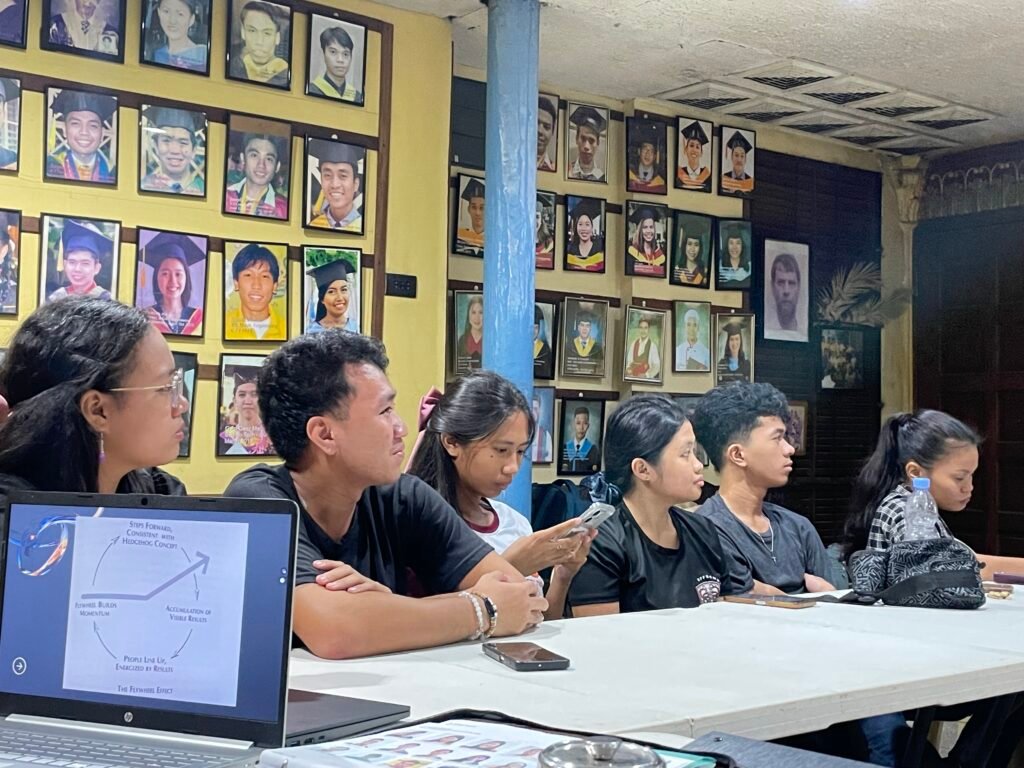
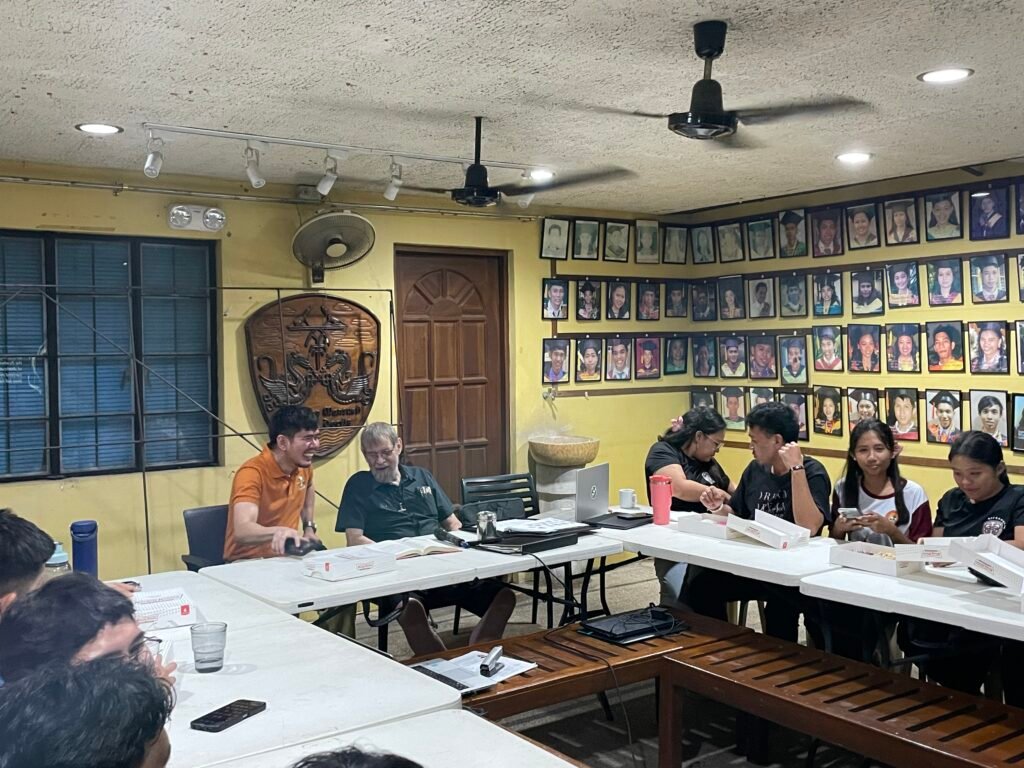
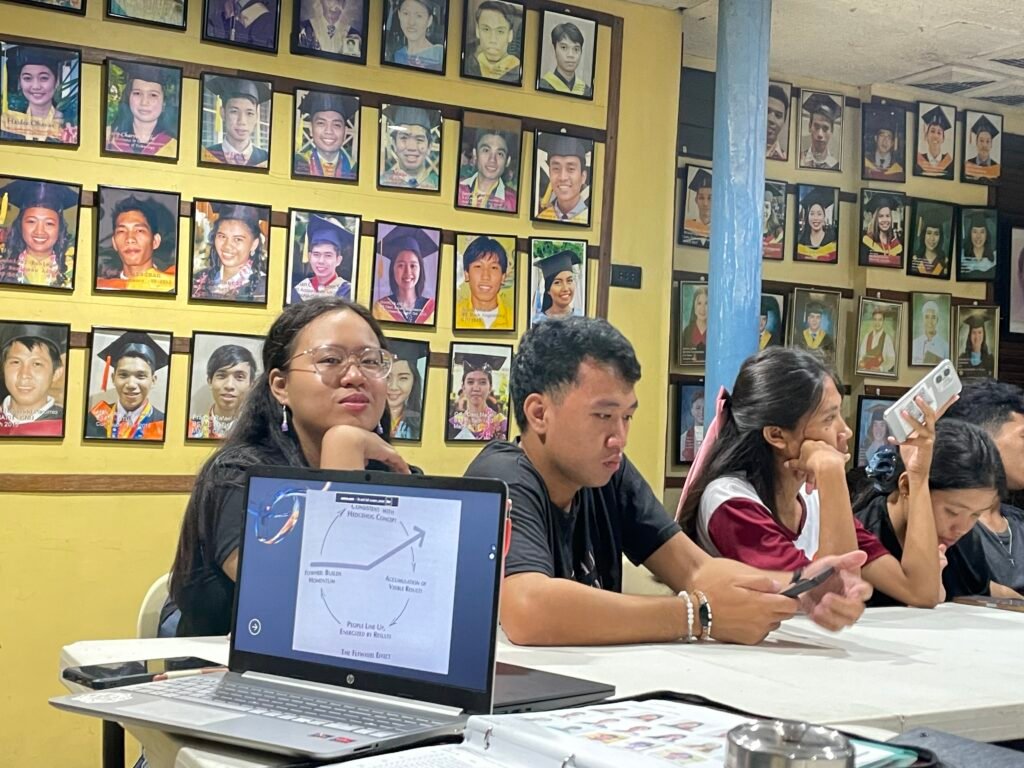
Last January 31, 2026, the scholars once again gathered at 𝗞𝗙𝗙 𝗙𝗼𝘂𝗻𝗱𝗮𝘁𝗶𝗼𝗻 to discuss Chapter 8 of Jim Collins’ book 𝗚𝗼𝗼𝗱 𝘁𝗼 𝗚𝗿𝗲𝗮𝘁. This chapter focuses on the Flywheel and the Doom Loop in business. The Flywheel, according to the book, has a massive influence on turning a business from good to great.
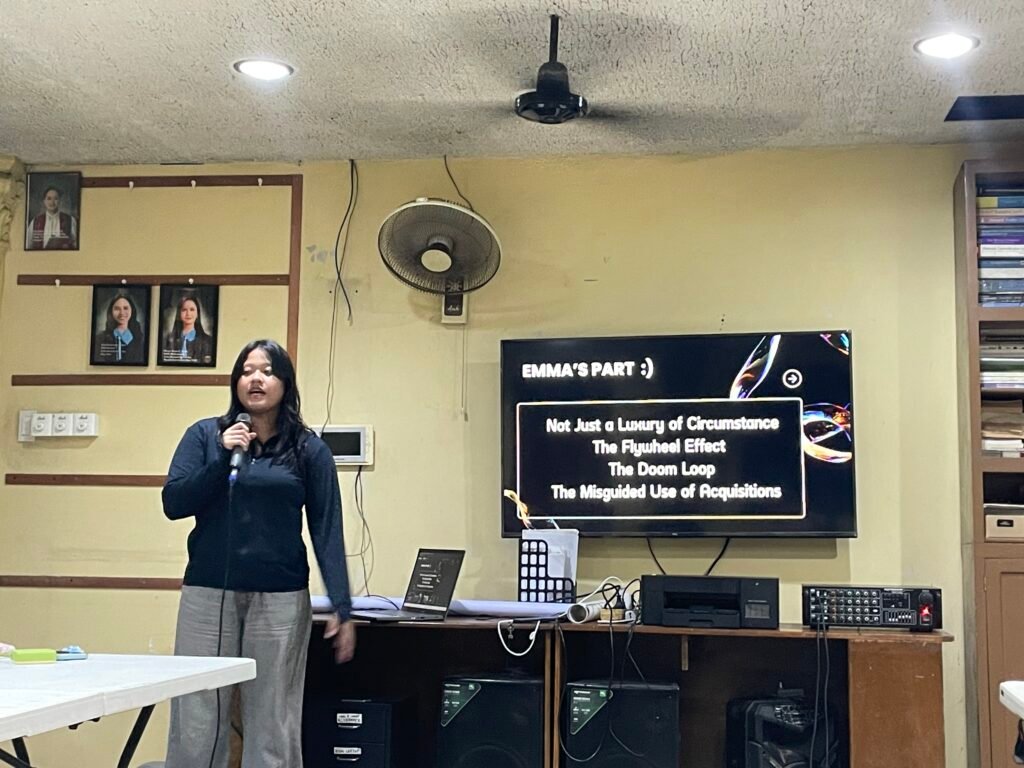
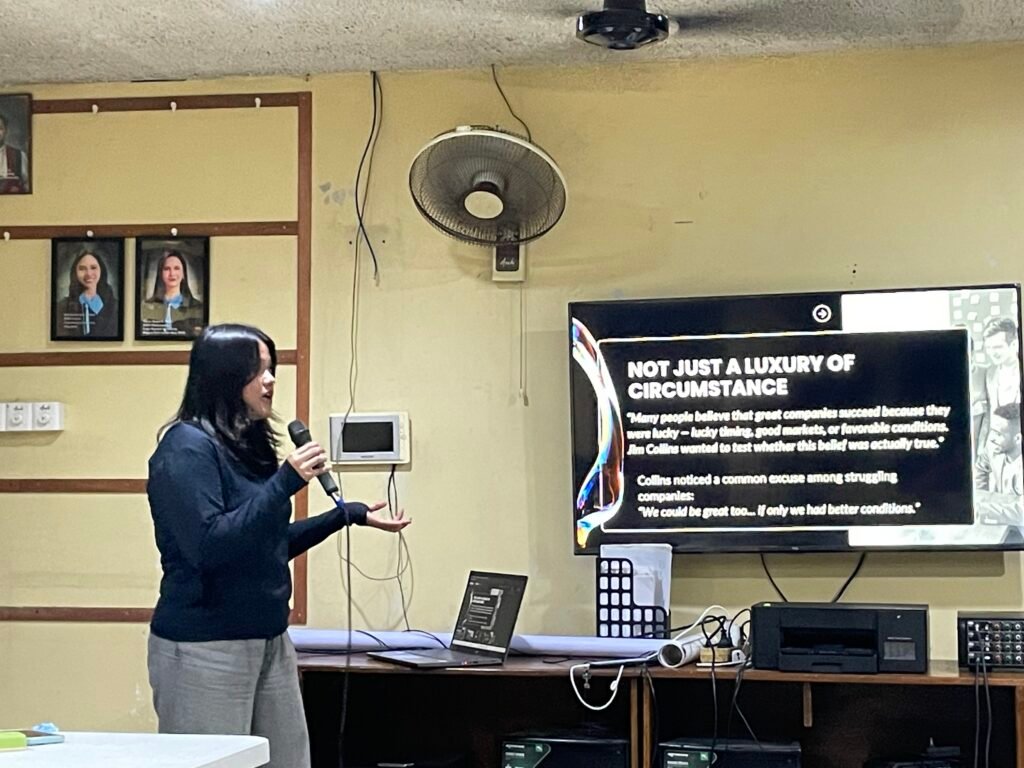
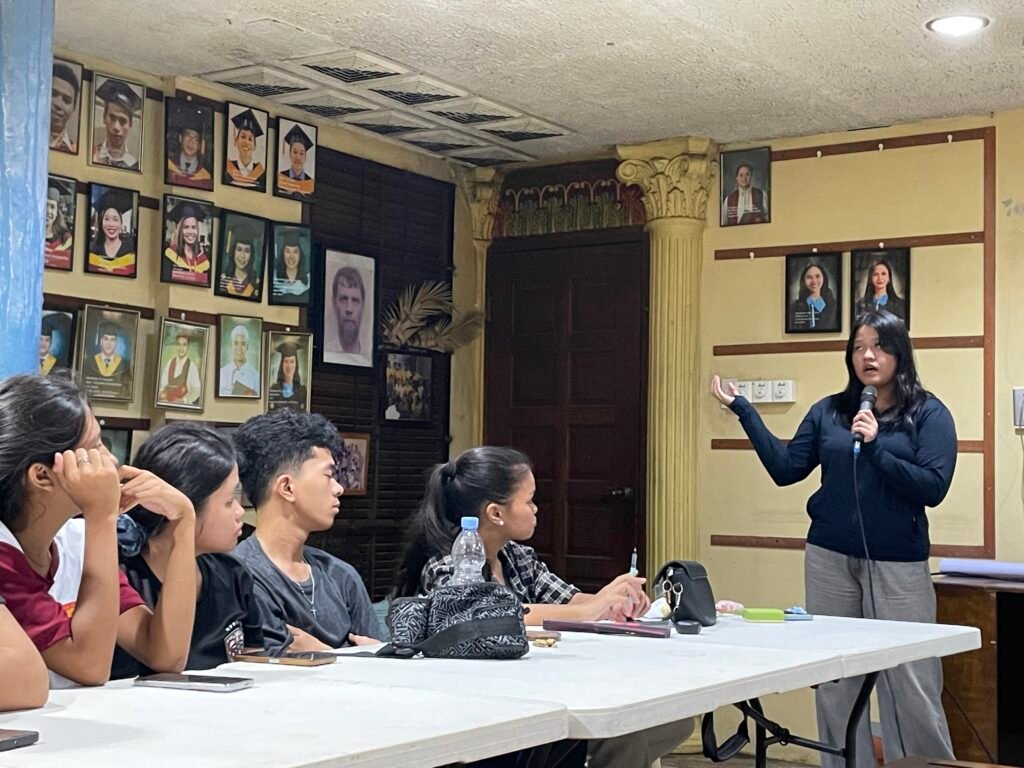
It taught us that success does not happen overnight. Just like pushing a heavy wheel with great effort, you must move slowly and patiently until it becomes easier to spin. At first, the progress may seem unnoticeable, but as momentum builds, the wheel begins to move faster on its own. Eventually, you no longer have to exert the same amount of force because the momentum you created starts working for you.
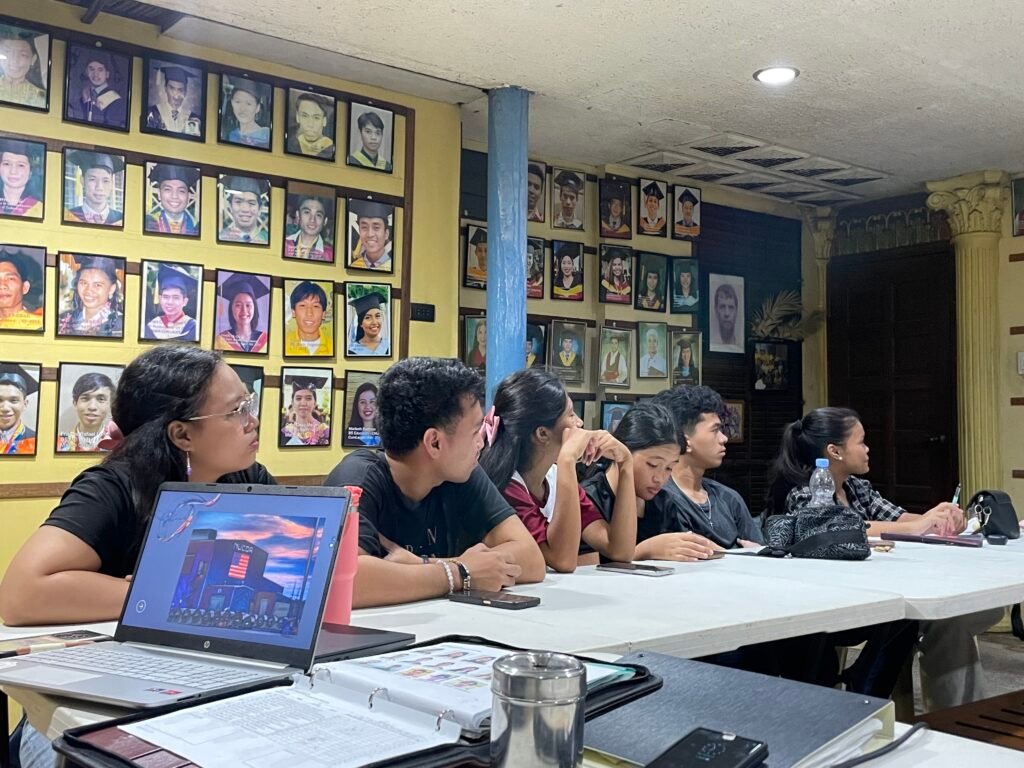
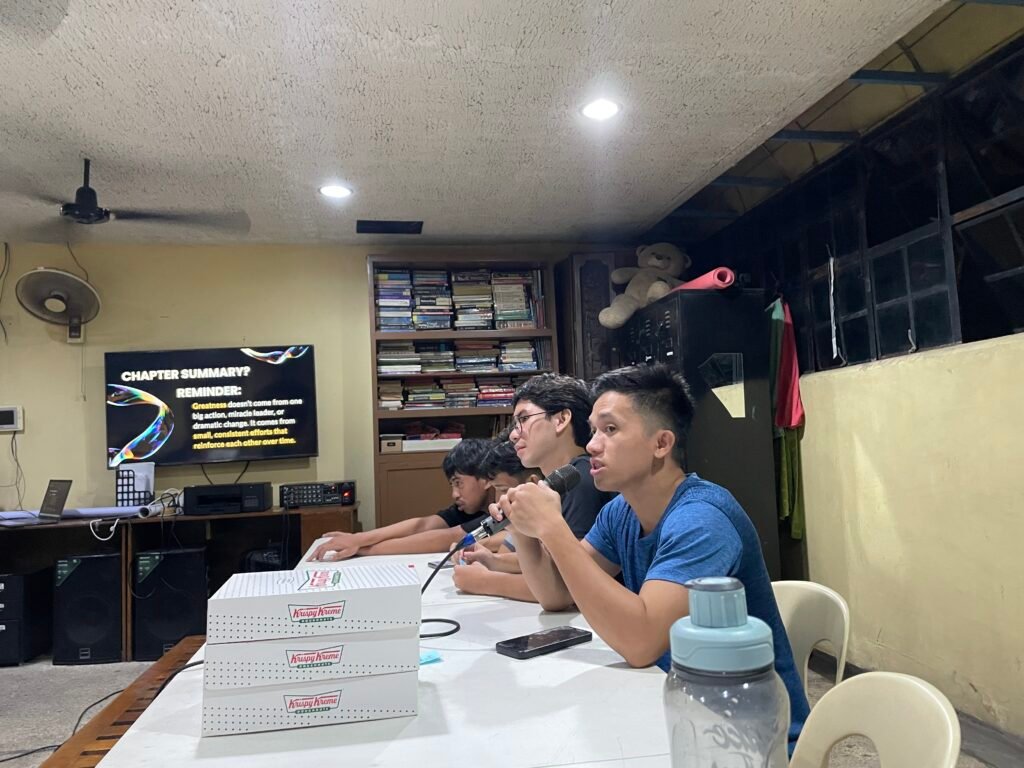
In a start-up business or in life, you do not have to be successful right away. Trust the process and learn to appreciate it. Over time, you will begin to notice the changes that happen as you build the momentum needed to make things work. However, where there is a Flywheel, there is also the presence of a Doom Loop. The Doom Loop is the opposite of the Flywheel. It happens when, just as momentum begins to build, leaders suddenly make drastic changes that disrupt the progress. It is like putting a wrench into the wheel, stopping it, and in some cases, destroying what has been built over a long period of time.
Companies that fall into the Doom Loop often find themselves operating outside their Hedgehog Concept. The book repeatedly emphasizes the importance of the Hedgehog Concept in business because it helps people and organizations stay aligned with their true goals, especially during times of crisis. It serves as a guide to remain focused on what they are deeply passionate about, what they can be best at, and what drives their economic engine.
When businesses lose patience and discipline, they start chasing quick results, dramatic changes, and miracle solutions. Instead of consistently pushing the wheel in the same direction, they change course too often. This inconsistency breaks the momentum they worked so hard to build.
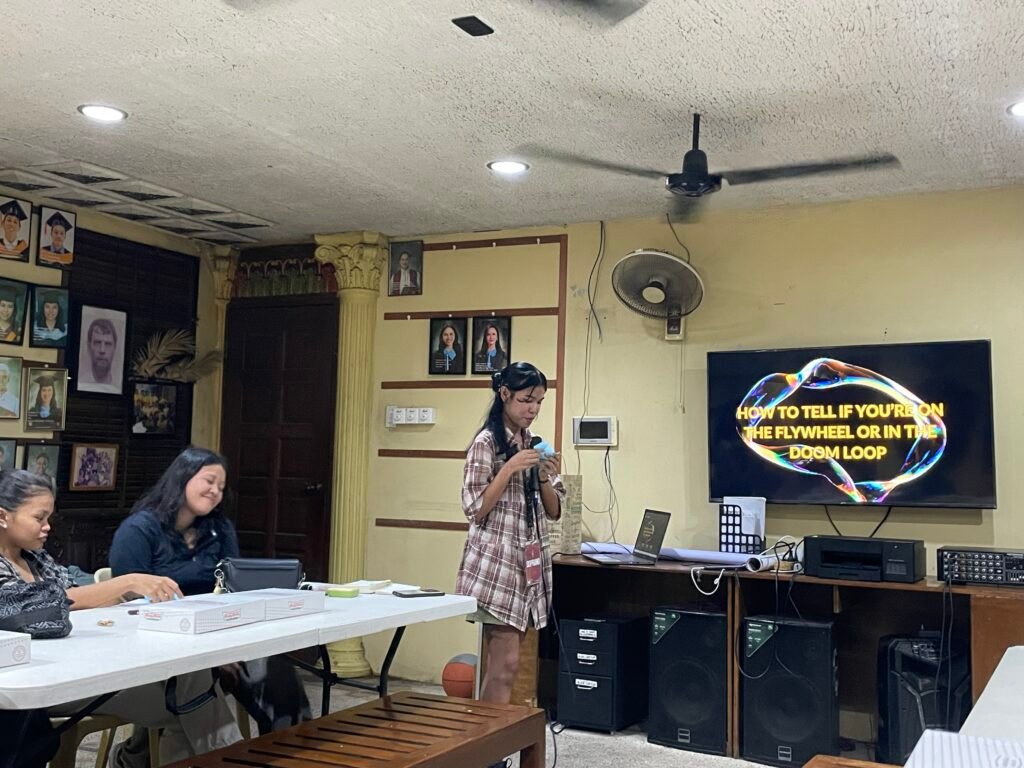
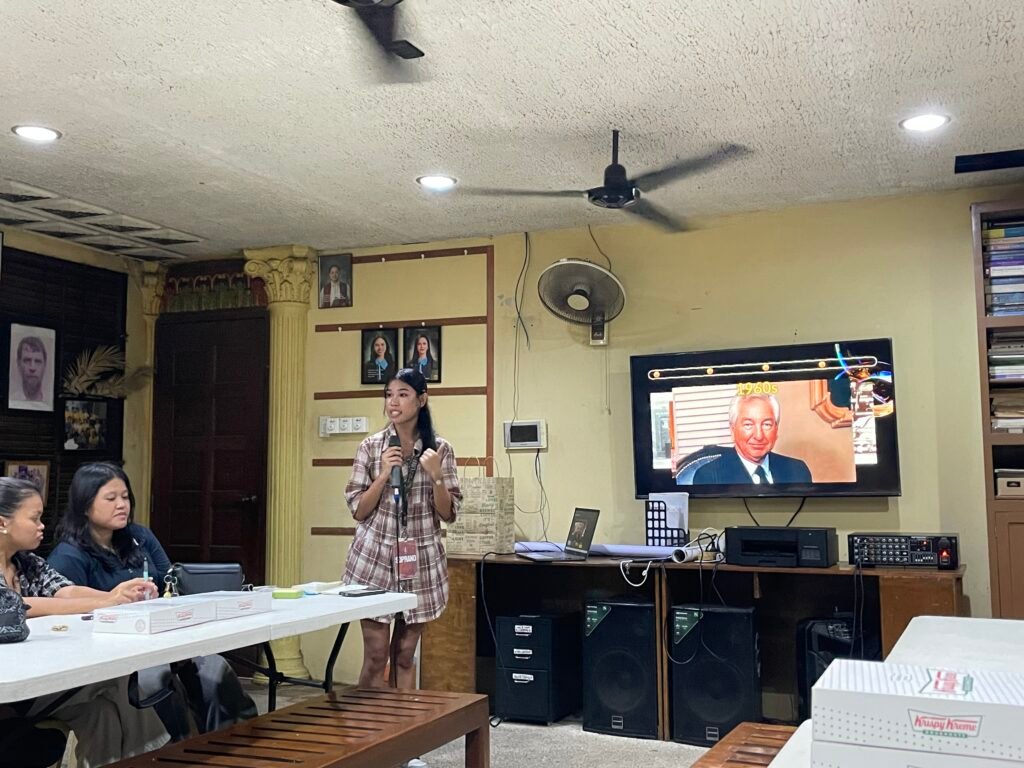
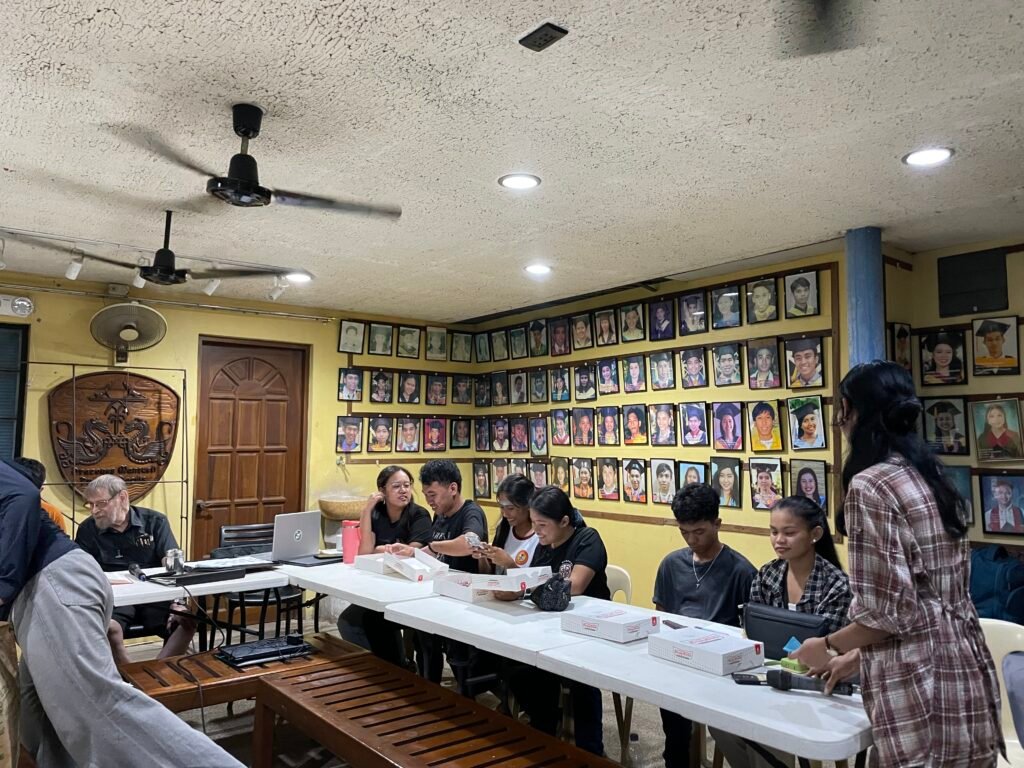
This discussion helped us realize that greatness is not about big actions or sudden breakthroughs. It is about small, consistent efforts that reinforce one another over time. As scholars, we reflected on how this applies not only to businesses but also to our personal lives. Are we patiently turning our own flywheel, or are we caught in a doom loop of impatience and constant change? The answer to this question depends on how we react to the results of every decision we make.
This change in our lives will not happen without the people in it. We are thankful to the teachers for the transformative discussion and for providing further insights. Together, we will take the process, enjoy little progress, and work patiently until we feel the momentum to create a difference in our lives. Thank you, Sir Kenneth, for giving us the chance to be part of something truly remarkable. Thank You!